
LANCASTER, Pa. — A private school in Pennsylvania canceled classes on Monday as parents threatened legal action over the administration's handling of AI-generated nude images of students. The controversy has already led to the resignation of the school's top leaders.
The Lancaster Country Day School board announced last week that it had "parted ways" with head of school Matt Micciche, and board president Angela Ang-Alhadeff also stepped down. The moves came after parents demanded that school leaders either resign or face a lawsuit seeking criminal penalties, according to local outlet Lancaster Online.
Law enforcement identified nearly 50 victims after a student used artificial intelligence to create nude images of female classmates. The incident reportedly dates back to last year, and Micciche was allegedly aware of it since at least November 2023, following an anonymous tip. The perpetrator's phone was seized by authorities in August, but no charges have been filed, Lancaster Online reported.
Parents and students expressed dissatisfaction with the school's response. Earlier this month, hundreds of high school students walked out in protest. In a statement at the time, Micciche acknowledged the community's frustration: "Many feel strongly that we haven't been as open and communicative as we could, adding to their pain. We will work together with our students to find a way forward that promotes healing and will be guided by what we hear from them."
Despite the resignations, parents told Lancaster Online on Monday that they intend to pursue charges against the school. The same day, the school announced the cancellation of classes.
Broader Implications for AI Misuse
This incident is part of a growing pattern of AI-generated abuse in schools across the country. Easy-to-use smartphone apps can now create photorealistic nudes in seconds, turning AI fakes into a new form of bullying among teens.
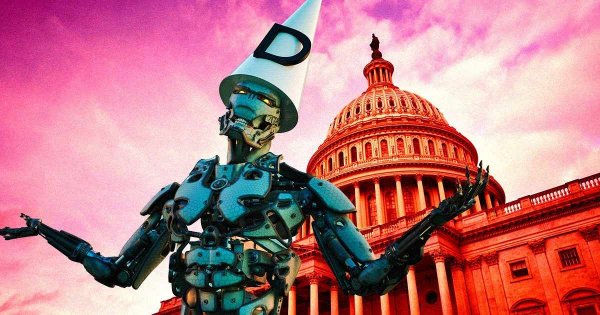
Lawmakers in the U.S. are debating how to protect children from such abuse, but concrete regulations have yet to be enacted. In May, a software engineer was arrested for allegedly grooming children using AI-generated child sexual abuse material, underscoring the urgency.
The issue is not confined to the U.S. South Korea recently implemented tougher punishments and regulations for deepfake offenses, responding to a similar crisis.
As schools and lawmakers grapple with the rapid advance of AI technology, the Lancaster case serves as a stark reminder of the challenges in safeguarding students in the digital age.



















Leave a Comment