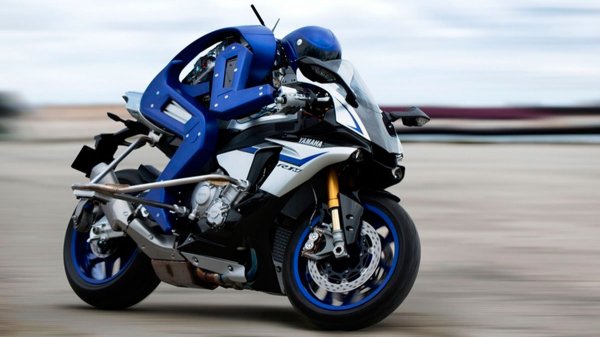
Yamaha introduced a humanoid robot capable of riding a motorcycle at the Tokyo Motor Show, a move that signals the company's push into advanced rider-assistance technology. The robot, named Motobot, was displayed atop a 1000cc R1M sport motorcycle, drawing attention from attendees and industry observers.
The Japanese manufacturer said in a statement that controlling a motorcycle at high speeds requires a complex array of control systems that must operate with precision. Motobot is part of Yamaha's effort to develop robots that can competently navigate a racetrack, according to the company.
While Yamaha has not released detailed specifications about Motobot's design or capabilities, the company outlined its broader intention: to apply the knowledge gained from this project to create advanced rider safety and support systems. These systems, Yamaha said, could be integrated into its current product lineup and potentially open new business opportunities.
The development mirrors similar efforts in the automotive industry, where manufacturers are exploring autonomous driving technologies to improve safety. Yamaha's approach focuses on the unique challenges of motorcycle dynamics, which require different control strategies compared to four-wheeled vehicles.
Why Yamaha Is Investing in Robot Riders
Yamaha's statement emphasized that the "fundamental technology and know-how" acquired from the Motobot challenge would be directed toward enhancing rider safety. The company believes that the precision required for a robot to handle a motorcycle at speed can translate into systems that assist human riders in avoiding accidents.
The Tokyo Motor Show, a major venue for automotive and motorcycle innovations, provided a platform for Yamaha to showcase this project. The R1M, a high-performance model, serves as the test bed for Motobot's development, underscoring the technical demands of the endeavor.
Industry analysts note that rider-support systems are becoming a key focus for motorcycle manufacturers, as they seek to reduce fatalities and injuries. Yamaha's initiative positions it among companies exploring how robotics and artificial intelligence can be applied to two-wheeled transport.
Details on when Motobot might be deployed in real-world testing or whether it will influence future production models remain undisclosed. Yamaha's statement, however, suggests a long-term commitment to integrating these technologies into its business strategy.
As the event concluded, the Motobot display left many questions unanswered, but the message from Yamaha was clear: the company sees robotics as a pathway to safer motorcycling. Whether this leads to practical applications on public roads is still uncertain, but the project marks a notable step in that direction.












Leave a Comment