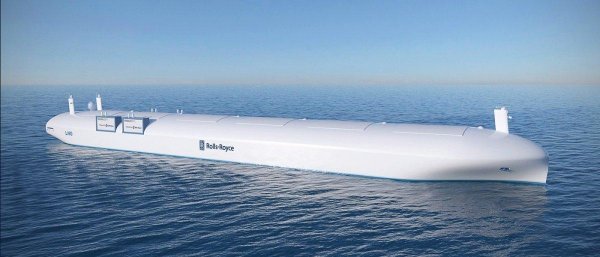
Rolls-Royce, a name synonymous with luxury automobiles, is charting a course into uncharted waters with a bold initiative to develop remote-controlled cargo ships. The company's vision, presented at the Autonomous Ship Technology Symposium 2016 in Amsterdam, outlines a future where merchant vessels navigate the seas without a single crew member on board. The goal: to launch the first remote-controlled cargo ships by 2020 and to have fully autonomous fleets operating within two decades.
The project, led by the Advanced Autonomous Waterborne Applications Initiative (AAWA), proposes a radical shift in maritime operations. Instead of a captain and crew on the bridge, ships would be managed from land-based 'virtual decks' where operators control every aspect of the voyage. This setup would allow a single person to oversee multiple vessels simultaneously, a concept that could reshape the economics of the shipping industry.
Key to this vision are advanced technologies, including virtual reality camera views that give shore-based pilots a 360-degree perspective of the ship's surroundings. Monitoring drones would also be deployed to inspect areas that might be hazardous or inaccessible to humans, providing an extra layer of safety and vigilance.
Why Autonomy Is Gaining Traction
The push for autonomous shipping is driven by several factors. Proponents argue that removing the human element from the bridge could significantly reduce accidents caused by crew error, a leading cause of maritime incidents. Additionally, unmanned vessels would be less vulnerable to piracy, as there would be no crew to take hostage or threaten. The absence of crew quarters and life-support systems also means more space can be dedicated to cargo, potentially increasing efficiency and profitability for shipping lines.
While the concept may sound futuristic, some elements are already becoming a reality. The Stril Luna, a vessel operated by a Norwegian company, has been outfitted with a 'Unified Bridge' system developed by Rolls-Royce. This smart system integrates all navigational and operational equipment into a single, streamlined interface, laying the groundwork for more advanced autonomous functions in the future.
The AAWA initiative is part of a broader trend in the maritime sector, where automation and digitalization are increasingly seen as key to improving safety and efficiency. However, the transition to fully autonomous ships will require not only technological advances but also changes in international maritime regulations and insurance frameworks. As Rolls-Royce and its partners move forward, the industry will be watching closely to see how these challenges are addressed.
For now, the promise of robot cargo ships is a glimpse into a future that may arrive sooner than many expect. With the first remote-controlled vessels slated for 2020, the maritime world is on the cusp of a transformation that could redefine how goods are transported across the globe.



















Leave a Comment