Four viruses commonly found in fish have been shown to produce hormones that mimic insulin, according to a new study from Boston’s Joslin Diabetes Center. The discovery, published in the journal PNAS, suggests that microbes—including viruses—might play a role in the development of diabetes and other conditions such as autoimmune diseases and certain cancers.
Led by Emrah Altindis, PhD, a research fellow at Joslin, the team used bioinformatics to scan large genomic databases for viral sequences that resemble human hormones and regulatory proteins. They identified four viruses with genetic structures similar to insulin, a hormone crucial for regulating blood sugar.
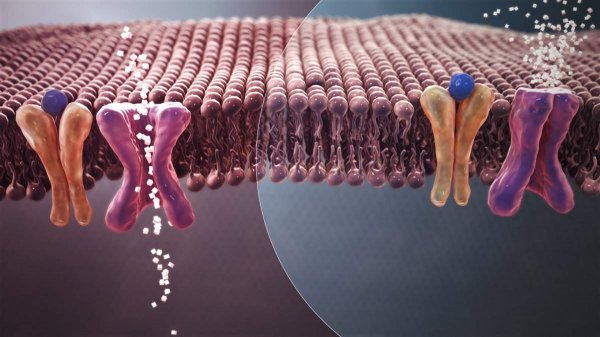
The researchers then synthesized the viral insulin-like peptides (VILPs) and tested them on mouse and human cells. The experiments showed that these peptides acted as hormones, binding to human insulin receptors and also to receptors for insulin-like growth factor 1 (IGF-1), a related hormone involved in growth and development. The study confirms that VILPs are part of the insulin superfamily and represent the first characterized viral hormones.
Potential Implications for Human Health
Although the viruses identified do not normally infect humans, the researchers note that humans could be exposed to them through the consumption of fish. Further testing is needed to determine whether these viruses can infect human cells or be absorbed through the gut.
The findings open up a new field that Altindis calls “microbial endocrinology,” which explores how microbes might influence hormone systems and contribute to disease. The study’s senior author, C. Ronald Kahn, MD, chief academic officer at Joslin, described the discovery as “the tip of an iceberg” in a press release. He pointed out that of the estimated 300,000 viruses that can infect or be carried in mammals, only about 7,500—or 2.5%—have been sequenced. “We certainly expect to find many more viral hormones, including more viral insulin, in the future,” Kahn said.
The research team plans to continue mining viral databases to identify other viruses that produce human-like hormones. This line of inquiry could lead to new questions about the origins and treatment of diabetes and cancer, potentially reshaping our understanding of these diseases.



















Leave a Comment