For more than a century and a half, since Charles Darwin first proposed his theory, evolution has withstood relentless scientific scrutiny. Rather than weakening under the weight of investigation, the evidence has only grown more robust. Today, across universities and research institutions, evolution is not just accepted; it is the foundational framework for nearly all biological research. This article examines three fundamental lines of evidence that underpin this scientific consensus.
Shared Traits and Genetic Blueprints
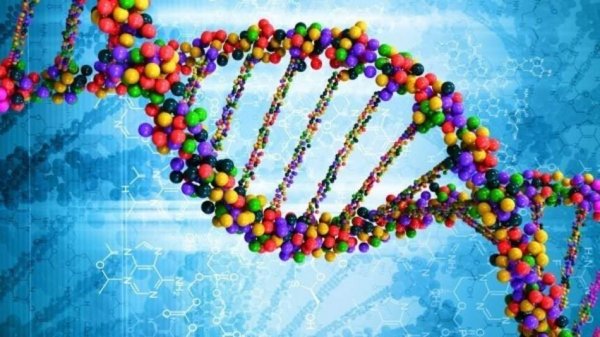
The first line of evidence lies in the patterns of similarity among all living organisms. Just as you share more physical traits with your siblings than with distant cousins, species that are closely related exhibit striking similarities in their anatomy, genetics, and even behavior. These shared characteristics, known scientifically as synapomorphies, are inherited from common ancestors. The more recently two species diverged from a shared lineage, the more pronounced their similarities remain.
This pattern extends globally in a way that random chance cannot explain. Marsupials are predominantly found in Australia, lemurs are native only to Madagascar, and cacti are largely confined to the Americas. If each species were independently created, such geographic clustering would be inexplicable. Instead, it aligns perfectly with the evolutionary model of descent with modification from common ancestors.
The Fossil Record's Chronological Story
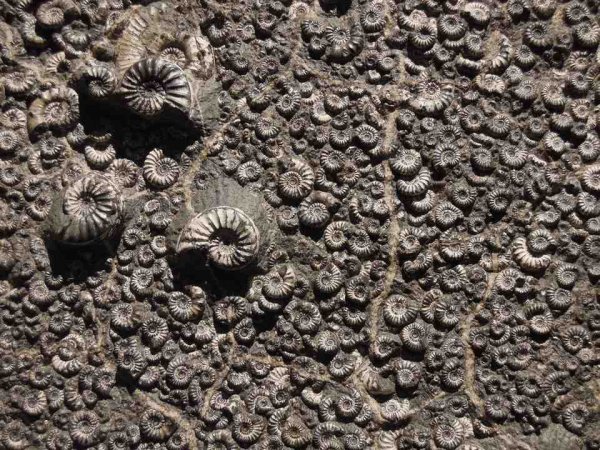
Fossils provide a second, tangible window into evolutionary history. Early paleontologists like Charles Lyell and Georges Cuvier observed that species from the past—trilobites, dinosaurs, giant sloths—are vastly different from those alive today. More importantly, the deeper one digs into the geological strata, the more distinct the organisms become from modern forms. This chronological progression is not random; it shows a clear trend of change over time.
For example, lineages can be traced from simple forms to more complex ones, with intermediate stages appearing in the fossil record. Radiometric dating and relative dating techniques confirm the age of these fossils, demonstrating that the changes occurred in a logical sequence. The so-called 'missing link' is a misnomer; the fossil record is replete with transitional forms that illustrate evolutionary transitions.
Change Observed in Real Time
The third line of evidence is the most direct: evolution can be observed happening today. In laboratories, scientists have documented genetic changes in bacteria and fruit flies over many generations. In the wild, species have been seen adapting to new environments, such as the famous case of the peppered moth darkening in response to industrial pollution. Artificial selection, where humans breed plants and animals for desired traits, has produced dramatic changes in species like dogs and cabbage, demonstrating the power of selective pressure over time.
Moreover, organisms often bear 'imperfections'—traits that seem poorly designed or even detrimental. These flaws, such as the recurrent laryngeal nerve in giraffes that takes a detour around the aorta, are best explained by evolutionary history rather than intelligent design. They are remnants of a shared ancestry, not the work of a perfect creator.
Understanding these three fundamental lines of evidence—genetic similarities, fossil progression, and observed change—equips anyone to look at the natural world with a more informed eye. The question is not whether evolution occurs, but how the intricate mechanisms of change have shaped the diversity of life we see around us.















Leave a Comment