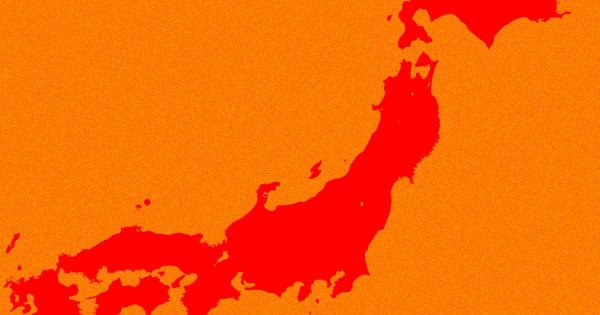
A powerful earthquake struck the site of Japan's Fukushima Daiichi nuclear power plant over the weekend, causing new leaks in two reactors and further complicating the already arduous decommissioning process. The plant's operator, Tokyo Electric Power Co. (TEPCO), confirmed that cooling water levels dropped in two reactors, indicating fresh leaks, according to The Associated Press. The water is contained within the reactor buildings, and TEPCO spokesman Keisuke Matsuo said there is no sign of radiation leakage outside the facility.
The earthquake, which occurred just days after a Tokyo High Court ruling that reversed a previous decision, adds to the challenges facing the plant, which has been in a state of managed decay since the 2011 tsunami destroyed much of its infrastructure. The new leaks mean that more water must be pumped into the reactors to keep them cool, which in turn increases the volume of irradiated water that needs to be handled.
Why the Leaks Matter
The increased water flow will likely expand the amount of contaminated water that authorities plan to release into the Pacific Ocean. Environmental groups had already voiced concerns about the planned discharge, and the latest development suggests the volume could be larger than initially predicted. The decision to dump the water into the sea remains a contentious issue, with critics arguing that it poses risks to marine life and coastal communities.
The timing of the earthquake is particularly notable, as it came just one day after the Tokyo High Court ruled that both the government and TEPCO could be held liable for the devastation caused by the 2011 disaster, particularly the displacement of thousands of residents who fled the area. The ruling could alter how the government and TEPCO respond to the ongoing crisis, as they may now face legal and financial consequences for their actions.
Izutaro Mangi, a lawyer representing the plaintiffs in the case, told the AP that the ruling raises a fundamental question: "whether we should tolerate a society that prioritizes economic activities over people's lives and health." This sentiment reflects the broader public anger and frustration over the handling of the disaster and its aftermath.
Background and Context
The Fukushima Daiichi plant has been in a precarious state since the 2011 earthquake and tsunami knocked out its cooling systems, leading to meltdowns in three reactors. Since then, TEPCO and Japanese authorities have struggled to stabilize the site, which remains a complex and hazardous environment. The decommissioning process is expected to take decades, and each new incident, such as the latest earthquake, sets back progress and increases the risk of further contamination.
The recent earthquake and the court ruling together highlight the ongoing challenges of managing the plant's legacy. While the immediate risk of radiation exposure outside the facility appears low, the cumulative effects of the leaks and the planned water discharge could have long-term environmental and social impacts.
As TEPCO works to assess the full extent of the damage, the international community and local residents will be watching closely to see how the company and the Japanese government handle the escalating situation. The court's ruling may also embolden other victims of the disaster to seek accountability, adding pressure on authorities to adopt more transparent and precautionary measures in their cleanup efforts.
For now, the immediate focus is on managing the new leaks and preventing any escalation. But the incident serves as a stark reminder that the Fukushima Daiichi plant remains a volatile and unresolved challenge, years after the initial catastrophe.















Leave a Comment