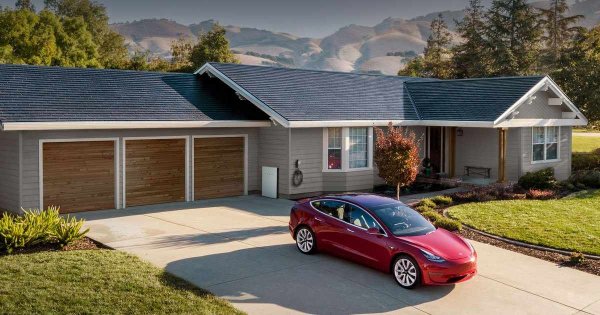
In a bid to revive its home solar business, Tesla has launched a rental program that lets homeowners in six states lease solar panels for as little as $50 per month, plus tax. The announcement comes after a challenging second quarter in which the company recorded its lowest solar installation numbers since entering the residential market.
The rental option is available to homeowners in Arizona, California, Connecticut, Massachusetts, New Jersey, and New Mexico, provided they are customers of one of 20 listed utility companies. The monthly fee varies by state and system size—small, medium, or large—but the price is all-inclusive, covering hardware, installation, maintenance, and support.
Tesla emphasizes the simplicity of the sign-up process, describing it as a “one-click” transaction that avoids lengthy consultations and paperwork. Unlike traditional solar leases or power purchase agreements, the rental plan does not require a long-term contract, offering flexibility that may appeal to homeowners who are hesitant to commit to a 20-year agreement.
Why the Rental Model?
The move is part of Tesla's broader strategy to spur demand for its solar products. In March, CEO Elon Musk declared 2019 would be “the year of the solar roof,” but the company's solar installations in Q2 2019 were the lowest of any quarter since it entered the home solar market. Even after slashing prices in April, sales did not pick up as expected.
By offering a low-cost entry point, Tesla aims to attract customers who might otherwise be deterred by the high upfront cost of purchasing a solar system. The rental fee is designed to be competitive, but the company has noted that removing the system at the end of the rental period will cost $1,500. Tesla claims it does not profit from this fee, though the statement has not been independently verified.
Market Context and Outlook
The rental program is not entirely new to the solar industry; companies like Sunrun and Vivint Solar have offered leasing options for years. However, Tesla's approach stands out for its low monthly price and the absence of a contract, which could be a differentiator in a market where long-term commitments are common.
Industry analysts suggest that the rental model may help Tesla clear inventory and maintain a steady revenue stream, but the $1,500 removal fee could be a sticking point for some consumers. The company's long-term profitability in the solar segment remains uncertain, especially if the rental program does not lead to higher installation volumes.
For now, the program is limited to specific states and utility territories, which may restrict its immediate impact. Tesla has not announced plans to expand the rental option to other regions, but the company's history of rapid iteration suggests that changes could come if the initial rollout proves successful.
Homeowners interested in the rental program should weigh the benefits of low upfront costs and flexibility against the potential removal fee and the fact that they will not own the system. As with any energy decision, comparing the rental option with local electricity rates and available incentives is essential.




















Leave a Comment