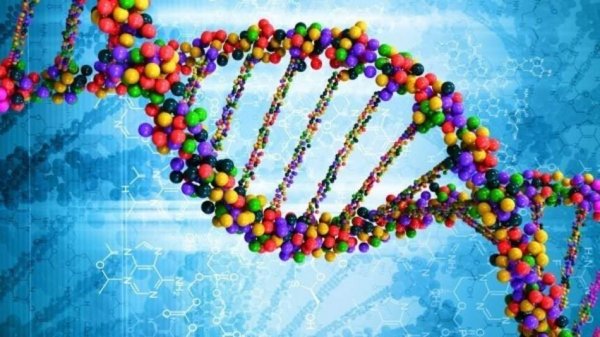
Researchers have unveiled a new approach that dramatically lowers the cost and complexity of gene editing, a field that has long been constrained by the expensive and laborious production of essential components. The technique, dubbed CRISPR-EATING, allows scientists to generate thousands of guide molecules—the molecular tools that direct gene-editing proteins to specific DNA sequences—for under $100, a fraction of previous costs.
Gene editing, which enables precise cut-and-paste modifications to DNA, has been a reality in laboratories for years. The process relies on a natural defense mechanism found in bacteria, which produce RNA strands that match viral DNA and guide a protein to slice the invader. Scientists have adapted this system to edit the genomes of nearly any organism, including humans. However, the creation of guide molecules has been a bottleneck, often requiring custom synthesis that is both time-consuming and expensive.
According to a statement from the team, the new method allows researchers to "paint a whole chromosome and look at it live," enabling real-time observation of chromosomal changes during developmental processes such as embryo formation. Rebecca Heald, a molecular and cell biologist at UC Berkeley involved in the discovery, emphasized the potential for tracking genetic transitions that could lead to disease.
From E. coli to 40,000 Guides
To demonstrate the technique's power, the researchers converted nearly 90% of the DNA from a harmless strain of E. coli into 40,000 distinct guide molecules. Each guide can be programmed to target any specific DNA sequence, and thousands can be introduced into cells simultaneously—a process known as genetic screening. This allows scientists to systematically disable genes to determine their functions, or to identify variants that may contribute to disease.
The breakthrough builds on earlier work by a team of Chinese scientists who used gene editing to modify human embryos, though those embryos were non-viable. In that study, only 28 of 86 embryos were successfully altered, and only a fraction contained the desired DNA, underscoring the accuracy challenges that remain. The researchers noted that for gene editing to be a reliable therapeutic tool, accuracy must approach 100%.
While the technique does not yet achieve that level of precision, it provides a powerful platform for uncovering the remaining hurdles. By enabling rapid and affordable generation of guide molecules, CRISPR-EATING could accelerate research into genetic diseases and pave the way for more efficient gene therapies.
For now, the researchers stress that the goal is not to create "superhumans" but to understand and potentially correct genetic defects. The method offers a practical tool for studying chromosome dynamics and identifying disease-related mutations, bringing the scientific community closer to targeted interventions.



















Leave a Comment