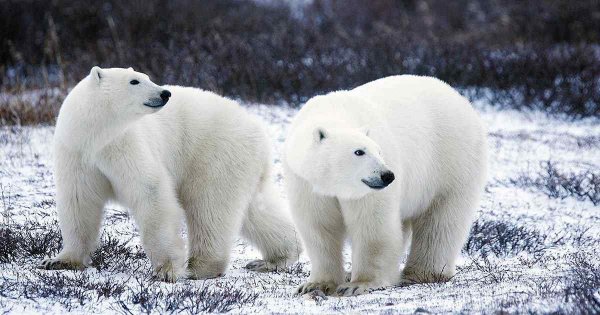
BELUSHYA GUBA, Russia — A remote Arctic settlement has declared a state of emergency after at least 52 polar bears, driven from their sea-ice habitat by warming conditions, began roaming the streets, entering buildings and chasing residents, according to local officials and Russian state media.
The bears have gathered near Belushya Guba, the administrative center of the Novaya Zemlya archipelago, a chain of islands in the Arctic Ocean. The local government issued the emergency declaration over the weekend following days of close encounters between the animals and the town's several thousand residents.
Zhigansha Musin, the head of the local administration, told the Russian news agency TASS that the situation is unprecedented in his decades on the islands. “I have been in Novaya Zemlya since 1983, but there have never been so many polar bears in the vicinity,” he said.
Residents report that the bears have chased people, confronted dogs, and attempted to force their way into office buildings and homes. The animals have also been feeding on garbage, which may be drawing them closer to human activity.
In an official statement, authorities described the fear gripping the community. “The people are scared,” the statement read. “They are frightened to leave homes and their daily routines are broken. Parents are afraid to let the children go to school or kindergarten.”
The intrusion highlights a broader consequence of climate change in the Arctic. Polar bears typically spend much of their lives on sea ice, where they hunt seals. But as the ice melts, the animals are forced to swim longer distances or come ashore, where food is scarce and human settlements offer easy scavenging opportunities.
The same loss of sea ice has contributed to a decline in the global polar bear population, leading to the species being listed as vulnerable by the World Wildlife Fund. Hunting polar bears is currently prohibited, which limits the options for authorities dealing with the current crisis.
Potential Cull Considered
Officials say that if non-lethal methods to drive the bears away fail, a cull may become unavoidable. According to TASS, a cull would be “the only and forced answer” to protect the town's residents.
Wildlife experts and local authorities are now weighing measures such as relocation, deterrents, or improved waste management to reduce the bears' attraction to the town. The situation remains tense, with no immediate resolution in sight.
The standoff in Belushya Guba is a stark reminder of how climate change is reshaping the relationship between wildlife and human communities in the Arctic, forcing difficult decisions about coexistence and safety.



















Leave a Comment